Tuesday, October 29, 2024

Cross-quarter days


We are part of nature and seasons, even if we have forgotten. The ambiance of October days, blue sky and colored leaves falling. The veil between the worlds is thin now.  The harvest is over, the light is decreasing, we are entering the dark time of the year.
 
Halloween decorations are on display--ghosts and witches, skeletons and grinning faces of pumpkins are everywhere.
 
Trick or treat, we say. An offering to the spirits. The old name Samhain, marked the beginning of a new year, the thinning of the veil between the worlds of living and dead. A time of magic and renewal.
 
Halloween, All-Hallows Eve,  Samhain  falls between the September equinox and the December solstice. This is called a cross-quarter day.

The other cross-quarter days are---
 
Feb 2--halfway between the December solstice and the March equinox--also called Imbolc or Groundhog Day.  Celebrate increasing light, and the start of the growing season.
 
May 1--Halfway between the spring equinox and the summer solstice--also called Beltane. Celebrate the spring planting.
 
August 1--halfway between the summer solstice and the fall equinox--also called Lammas. Celebrate the first harvest of the growing season.

So the Wheel of the Year turns, and we still celebrate the changing seasons. 


Tuesday, October 8, 2024

Fine Fall Colors


Why do leaves change color in the fall?

The green of summer leaves is the result of an abundance of chlorophyll. The chlorophyll masks the other pigment colors. As the days grow shorter in the fall, chlorophyll production diminishes. The green fades, revealing the underlying colors in the leaves

Carotenoids produce the yellow and orange colors in the leaves, and also appear in peppers, corn, carrots, daffodils, and bananas. 

Carotenoid production is not dependant on light so levels are not diminished by shorter days.

Xanthophyll is responsible for the yellow pigments in the carotenoids. The orange  comes from carotene. Xanthophyll plays a part in regulating the rate of photosynthesis by balancing the production of chlorophyll. It's also what causes the yellowing of leaves due to stress or disease.

Yellow leaves are characteristic of sycamores, birch,  ash and hickory trees. 

Anthocyanines  are responsible for the reds and purples and even blues of flowers and fruits. They are in cherries, cranberries and apples, grapes strawberries and plums. 

They are found in the reds of sugar maples, red maples, and dogwoods. 

Tannins are the browns in the leaves of some oaks and other trees, They are always present but only become visible as chlorophyll and carotenoids disappear. Tannins are also what gives tea its color and flavor. 

How does weather affect the intensity of leaf colors?

Anthocyanines are dependent on light and temperature. Sugars remain in the leaves on warm sunny days and cool nights, increasing anthocyanine production, creating the most intense reds.

Rain and/or overcast days decrease anthocyanine production, resulting in more yellows and browns.

A wet spring, normal summer rainfall, and warm sunny days and cool nights are the ideal conditions for the most spectacular fall colors! 


Saturday, September 14, 2024

The last days of summer


We report that for the next few days it will be summer every day. There will be blue sky and sun, and highs  in the mid-80's.  And no rain in the forecast.

Just a week ago, the overnight temperature dropped low enough for an extra blanket, and the furnace came on!  Get out the jackets and hoodies. Check the sweaters for holes that need mending. There is still time before the winter cold, even though the Halloween things are out on display in the stores already.

Yes, cooler days are coming. Football, hockey, baseball playoffs.

The autumn grasses are blooming, now.  Mums and asters replace the summer flowers.

Meteorological fall begins September 1, but astronomical fall (or spring in the Southern hemisphere) is marked by the equinox on Sunday, September 22.  

The full moon closest to the fall equinox is also called the Harvest Moon. On  September 17, there will be a full moon and a partial lunar eclipse. 

Fall is coming. Enjoy these last days of summer! 


Friday, August 30, 2024

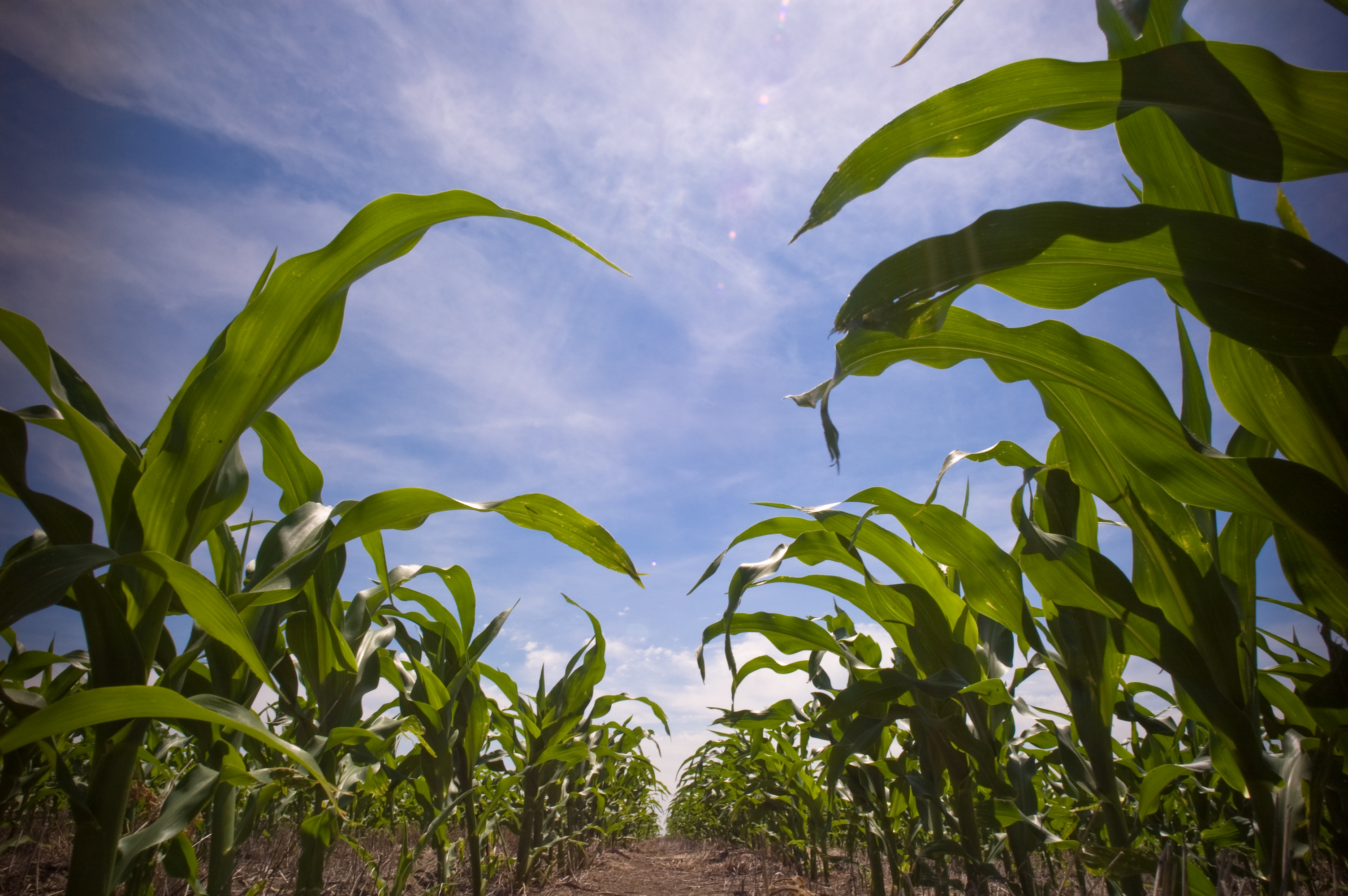
Corn sweat and thunder


trending weather
hot 100 heat index
storms on the way
 
 
image--Lars Ploughmann  / Wikimedia Commons
 
What is corn sweat? Corn sweat is another name for transpiration--the evaporation of moisture from growing corn plants. In fact, all growing plants do this, but corn is especially good at it. 
 
According to meteorologists,  corn fields can release 3000-4000 gallons of water per acre per day.
 Iowa,  Illinois, and Indiana are the big corn growing states---fields of dreams, heat and humidity, and summer storms. 
 
Tuesday, August 27, the Chicago area experienced the hottest day of the year, and the highest humidity of the year.  O'Hare Airport reported a high temperature of 99 degrees, and a real feel temperature (heat and humidity) of 110!
 
The sky got dark with  menacing storm clouds. There was thunder and lightning--bolts struck the Hancock and the Sears Tower. The sky lit up with lightning from distant storms across the Lake. And the rain was intense.  

A real summer storm for the ending days of August! 


Sunday, August 11, 2024

A Lazy Day in August

cool breeze
picked fresh from the vine
ripe tomatoes

ripening tomatoes


There are days in August, ripe as tomatoes, peppers and zucchini.  The weather is just about perfect---sun and 70's and almost no humidity.  

The gardens are what they are,  browning grass and maybe a little weedy and overgrown.  The major yard work projects can wait until the cooler days of fall.  

Time for opening windows, hanging laundry in the breeze. 

Time for hoodies in the evening,  or walking in the mornings.

Time for  sitting back, watching the Perseid meteors that will peak on August 11.  You can find out more about the Perseids from EarthSky here.

 Enjoy  those last-minute summer things.  dog-day cicadas, the last of the day lilies.  bare feet on warm wood floors. 

In a couple of weeks schools will start again. The Bud Biliken Parade  held on August 10 this year is a back-to-school tradition in Chicago.

And the Democratic Convention will be in Chicago from August 19-22!  


Sunday, July 21, 2024

The Full Moon of July


The full moon of July  21 is also called the buck moon. The name comes  from the Algonquin people----this is high summer, when the buck deer are showing off their new antlers. 

It is a time of ripening and roundness---tomatoes, peaches, plums.  There are days so perfect--- blue sky,  sun and 78 degrees, and a cool breeze off the lake.  The kind of weather we dream about all winter. 

This full moon is also known as the Thunder moon, a time of summer storms, lightning and thunder!

July has brought heat and humidity---and very severe storms.   Last  Sunday and Monday nights had powerful straight line winds  and  tornadoes!   The NWS is still investigating the damages, but as of Friday, July 19, they reported  24 confirmed tornadoes on the night of July 15.  This is  a new record for tornadoes in Chicago area on a single day or from a single event.  

 July 20th has been designated as International Moon Day--A very special day.  On this day in 1969, for the first time in history, a human being set foot on the surface of the moon.  Maybe you remember that day, 55 years ago.  What an exciting time that was, and still is.

Maybe the future the moon landing promised is not here, yet.  But today,  people have more computing power in their phones than the first moon mission had.

Maybe someday, we will  be One Earth,  One People,  on that Pale Blue Dot.  Maybe someday we will travel to the stars.  But first, we have work to do. Defend freedom and. democracy  Protect the earth, our home. And we can still  look to the sky and the stars, and wonder at the moon. 


Sunday, July 7, 2024

Tanabata, the Star Festival


According to folklore, on the 7th day of the 7th month, two stars cross the river of the Milky Way  to meet again after a year apart. They are the stars Altair and Vega, part of the Summer Triangle,  along with the star Deneb.

You can read more about the Summer Triangle here.  

It  is a story about two married lovers--Orihime and Hikoboshi, the Weaver and the Cowherd.  

You can read their story, here.

Their meeting is celebrated throughout  China and Japan. The actual date may vary, but it usually begins on the 7th day of the 7th month according to the Gregorian calendar. Tanabata is a summer festival of magic and romance and ripening rice fields---an evening of lanterns, beautiful colors, dances and fireflies! 

In case of rain,  and the lovers cannot meet, their reunion is postponed for another year. 

Hope for clear skies tonight! 

Summer every day

 Now it's July, and the Daylilies are blooming. Day after day of summer beauty. Hostas are blooming too. Their flower spikes against the...